Inshore Lizardfish Caught in Steinhatchee FL
Inshore Lizardfish in Steinhatchee - What to Expect

Fishing Charter by Captain Frank Taylor Jr in November
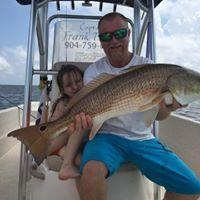
- Steinhatchee inshore fishing - cobia, trout & more


Summary
Join a fishing charter in Steinhatchee on Wednesday, October with Captain Frank Taylor Jr of Rocky Creek Charters to target inshore lizardfish and discover the rich marine life of Florida's Gulf Coast. This productive fishery offers steady action and unique species encounters.
Fishing Charter with Captain Frank Taylor Jr - Rates & Booking
Captain Frank Taylor Jr of Rocky Creek Charters on Wednesday, October brings decades of local expertise to the waters around Steinhatchee. His fishing charters are designed to put you on productive grounds where consistent action keeps the day engaging. Contact Rocky Creek Charters to book your charter and learn about current rates, availability, and package inclusions for your Steinhatchee fishing adventure.
Highlights of Your Fishing Experience
The waters surrounding Steinhatchee offer anglers a remarkable blend of shallow flats and deeper channels that attract diverse fish species. Inshore lizardfish are exciting catches that showcase the unique marine character of Florida's Gulf Coast. These aggressive predators provide spirited fights and present an interesting alternative to more traditional target species. Captain Taylor's knowledge of where and when these fish congregate transforms your day into a productive and educational fishing experience.
The calm blue waters near Steinhatchee create ideal conditions for sight fishing and exploring shallow-water ecosystems. The peaceful setting combined with consistent fishing action makes this destination appealing for anglers seeking both relaxation and results.
Local Species Insights: Inshore Lizardfish
Inshore lizardfish inhabit the shallow coastal waters and grass flats where Steinhatchee fishing takes place. These sleek, elongated predators are perfectly adapted to hunting in the productive shallows, using their sharp teeth and aggressive feeding behavior to pursue smaller baitfish and crustaceans. Their presence indicates a healthy, active ecosystem where multiple species thrive in close quarters.
What makes lizardfish particularly interesting to anglers is their willingness to strike artificial lures and live bait with surprising intensity. Their streamlined bodies allow them to move with incredible speed through shallow water, making each hookup a dynamic experience. Unlike some species that require precise conditions, lizardfish are fairly predictable in their behavior, which means consistent fishing opportunities throughout your day on the water.
These fish are well-suited to the flats and nearshore environment around Steinhatchee, where clear water, accessible depths, and abundant prey create an ideal habitat. The shallow-water fishing style used to pursue them allows for close-range observation and engagement with the natural surroundings. Anglers often find that catching lizardfish opens their eyes to the complexity and biodiversity of Florida's Gulf coastal ecosystems, revealing species diversity that deeper-water fishing might overlook.
The calm conditions visible in your charter experience reflect typical days on Steinhatchee waters, where wind protection and predictable conditions make for comfortable fishing. Whether you are targeting lizardfish specifically or exploring what these flats have to offer, you will encounter an environment rich with marine life and shaped by the unique hydrology of this Gulf Coast region.
Fishing in Steinhatchee: Inshore Lizardfish
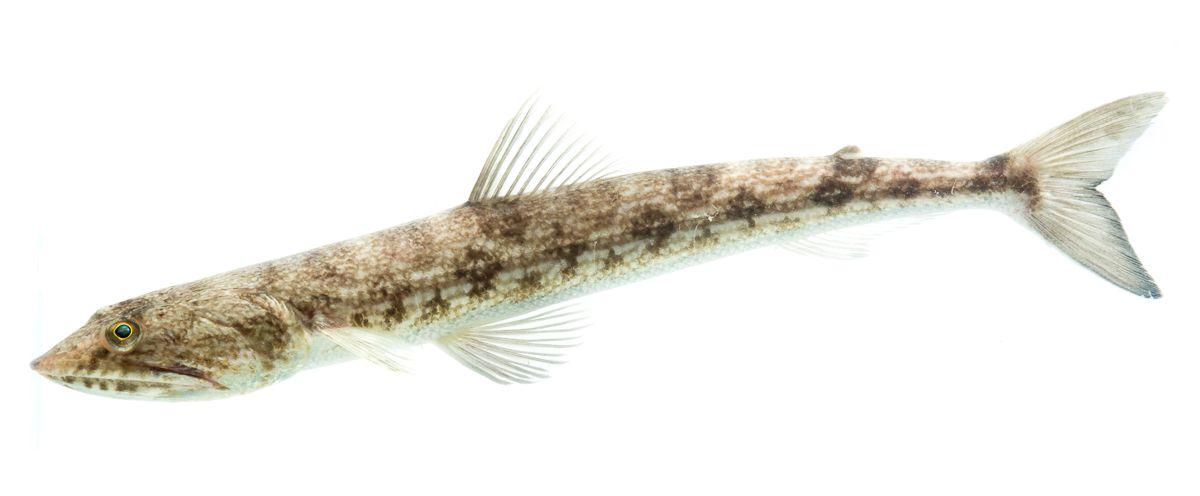
Inshore Lizardfish Overview
The Inshore Lizardfish (Synodus foetens) is a fascinating member of the Synodontidae family within the order Aulopiformes, and it's one of the sneakiest predators you'll encounter while fishing inshore waters. This slender, elongated fish is instantly recognizable by its pointed snout, disproportionately long upper jaw, and rows of sharp teeth that give it a perpetual grin—which is exactly why many local anglers affectionately call them 'grinners.' Found throughout the western Atlantic and northern Gulf of Mexico, these cunning hunters are year-round residents that make for an interesting catch, even if you're targeting something else entirely. What makes the Inshore Lizardfish particularly noteworthy is how it transforms from a spotted juvenile into a sophisticated ambush predator, lying camouflaged on sandy and muddy bottoms as it waits for unsuspecting prey to swim by.
Inshore Lizardfish Habitat and Distribution
These fish are widely distributed across the western Atlantic, with their primary range extending from south of New Jersey down along the entire U.S. coast and throughout the northern Gulf of Mexico, reaching as far as the Bahamas and Caribbean islands. What's remarkable about their habitat preference is their versatility—they're equally comfortable in shallow coastal bays, creeks, lagoons, and estuaries as they are in deeper continental shelf waters reaching depths of up to 590 feet. Most anglers find them in shallow inshore waters hovering over sand and mud bottoms, where they blend seamlessly with their surroundings. They favor seagrass beds and rocky outcroppings where smaller fish and invertebrates congregate, making these ideal hunting grounds for their ambush-predator lifestyle. Around major fishing hubs in the Gulf Coast region, experienced guides know that these fish are fixtures in nearly every coastal ecosystem, from tidal rivers to offshore drop-offs.
Inshore Lizardfish Size and Weight
The average Inshore Lizardfish runs about 15 inches in length, though you'll occasionally land specimens pushing closer to 19 inches—the maximum recorded length hovers around 19.67 inches (50 centimeters). Weight-wise, most catches fall in the 1 to 2-pound range, with the IGFA all-tackle record standing at 2 pounds and 8 ounces. Interestingly, female Inshore Lizardfish tend to grow larger than their male counterparts as they mature, a pattern common in many fish species. The fact that they rarely exceed 2 pounds makes them a modest catch compared to larger gamefish, but their accessibility and willingness to strike make them valuable learning fish for beginning anglers and a reliable backup target when the bite is slow.
Inshore Lizardfish Diet and Behavior
As opportunistic ambush predators, Inshore Lizardfish are masters of camouflage and patience. They spend much of their day motionless on the ocean floor, perfectly matched to their sandy or muddy environment, waiting for small fish, shrimp, crabs, and cephalopods to venture too close. Their diet consists primarily of these smaller invertebrates and forage fish, which explains why they respond so eagerly to both live and artificial baits—they're not particularly selective eaters. In fact, many anglers fishing for other species find that Inshore Lizardfish are annoyingly aggressive at intercepting baits meant for larger targets, a testament to their aggressive feeding behavior. This predatory nature also makes them excellent bait themselves for pursuing larger game like halibut and other predatory fish. Their behavior changes seasonally, with increased activity during daylight hours when prey is more active, and they tend to be more concentrated during their spawning season when feeding intensity peaks.
Inshore Lizardfish Spawning and Seasonal Activity
The Inshore Lizardfish spawning season runs from March through June, during which time these fish become noticeably more abundant and active in coastal waters. This is the peak period when anglers can expect the most consistent catches throughout the northern Gulf of Mexico and Atlantic coast regions. During spawning months, the fish aggregate in traditional breeding grounds, creating excellent opportunities for both casual and dedicated anglers. Interestingly, unlike many fish species, Inshore Lizardfish don't guard their eggs—instead, they scatter them throughout the water column where they either settle into crevices among rocks, seaweeds, and anemones or drift with the current. Young Inshore Lizardfish are born with distinctive dark spots that gradually fade as they mature into adults. While available year-round in their native range, the concentration and catchability dip slightly during off-season months, making spring the optimal window for targeting them specifically.
Inshore Lizardfish Techniques for Observation and Capture
Drift Fishing Method: The most effective approach for Inshore Lizardfish is drift fishing over known sandy and muddy bottom habitats. Work productive areas 15-30 feet deep in bays and inshore channels, drifting slowly to cover maximum ground. Use light to medium tackle with live or cut bait—small mullet, anchovies, or shrimp work exceptionally well. The key is keeping your bait near the bottom where these fish hunt, so maintain contact with structure and let the current do the work. Around Florida's Gulf Coast bays and similar environments, drift fishing during slack or light tidal periods produces the most consistent results.
Still Fishing Approach: Anchor over known productive bottoms in channels, creek mouths, and along drop-offs where you've seen activity. Use live bait suspended near the bottom with a simple slip rig, allowing the bait's natural movement to attract passing predators. This passive method is ideal when you want to fish multiple rods or simply observe the ecosystem around your boat. Still fishing also works well during slack tide when drift fishing becomes difficult, and it's an excellent technique for introducing young anglers to saltwater fishing since takes are often aggressive and unmistakable.
Artificial Lure Technique: Don't overlook small jigs and soft plastic baits in the 2-4 inch range. Cast along structure, drop-offs, and weed lines, working your lure slowly along the bottom with deliberate pauses. The Inshore Lizardfish's ambush-predator behavior means it responds well to prey-like presentations that trigger instinctive strikes. This method is particularly rewarding in shallower inshore waters where you can visually locate likely ambush points.
Inshore Lizardfish Culinary and Utilization Notes
Here's the honest truth about eating Inshore Lizardfish: they're not prized as a food fish, primarily because of their bony structure. However, they're far from inedible. Once you work past the abundant bones, the meat is mild, flaky, and quite palatable when cooked using methods like baking, frying, or steaming. The real value of the Inshore Lizardfish to most anglers lies not in its culinary qualities but in its utility as bait for larger, more desirable species like halibut and tarpon. Many successful anglers deliberately target these fish specifically to use as fresh bait offerings. If you're adventurous in the kitchen and patient with bones, they can provide an interesting culinary experiment, though most catch-and-release or use-as-bait approaches make more practical sense for most situations.
Inshore Lizardfish Frequently Asked Questions
Q: What is the best bait for catching Inshore Lizardfish?
A: Inshore Lizardfish are not picky eaters and will strike both live and artificial offerings. Live bait such as small mullet, anchovies, shrimp, and silversides work exceptionally well, as do live crabs and small fish. Interestingly, they're so aggressive that they'll often attack baits intended for other species. Small artificial jigs and soft plastics in the 2-4 inch range also produce good results, especially when worked slowly along the bottom.
Q: Where can I find Inshore Lizardfish near the Gulf Coast?
A: These fish are widespread throughout the northern Gulf of Mexico and can be found in virtually any shallow coastal ecosystem—bays, creeks, estuaries, lagoons, and along sandy-bottom channels. Focus your efforts on areas with sand or mud bottoms in 15-40 feet of water, particularly around seagrass beds, drop-offs, and creek mouths where structure concentrates prey species.
Q: Is Inshore Lizardfish good to eat?
A: While technically edible with mild, flaky meat, Inshore Lizardfish rank poorly as a food fish due to their bony structure. Most anglers either release them or—more commonly—use them as fresh bait for larger predatory fish like halibut and tarpon, where they prove far more valuable than as a dinner entrée.
Q: When is the best time to catch Inshore Lizardfish?
A: These fish are available year-round throughout their range, but peak abundance and catchability occur during their spawning season from March through June. During these months, they're more concentrated, more aggressive, and more frequently encountered by anglers throughout the northern Gulf of Mexico and Atlantic coast.
Q: Can I catch Inshore Lizardfish in deep water?
A: Yes, though it's less common. While most anglers find them in shallow inshore waters, Inshore Lizardfish do venture into deeper continental shelf environments reaching depths of 590 feet. They're most reliably found in water depths of 15-40 feet, but don't be surprised to encounter them during offshore fishing in deeper drop-off zones.
Q: What makes Inshore Lizardfish so easy to catch?
A: Their combination of aggressive feeding behavior, non-selective diet, and abundance makes them one of the easiest fish to catch in coastal waters. They're ambush predators that react instinctively to prey-like presentations, and their willingness to strike nearly any bait or lure means you'll often catch them incidentally while pursuing other species—sometimes frustratingly so if you're using baits intended for more selective gamefish.